Forty Years: The History of Women at Bowdoin

A Class Project of GWS 280 - Fall 2011

  • Prehistory
  • Process
  • Curriculum
  • Athletics
  • Extracurriculars
  • Social Life & Fraternities
  • Women’s Resource Center
  • Timeline

Alpha Beta Phi Sorority Page

This page is from the 1990 booklet that introduced the student body to the Greek Societies (Document SS, 53).  The Alpha Beta Phi sorority was the only single-sex female Greek Society that Bowdoin has had.  It was founded in 1983 after nineteen women decided to leave a coeducational fraternity.  They left because they felt that women received unequal treatment from the men.  They wrote in their mission statement that they existed specifically to provide a supportive and nurturing environment.  The group, including those who had been involved in fraternities, felt that they needed a space where women, not men, dominated the discourse, and where women could assume leadership roles.  They promise these things in their mission statement.  In this way the women of ABP sought to bring about some social change at Bowdoin in a way that would empower women.  Through experience they believed that this could not occur for women through the fraternity system as it existed on campus.
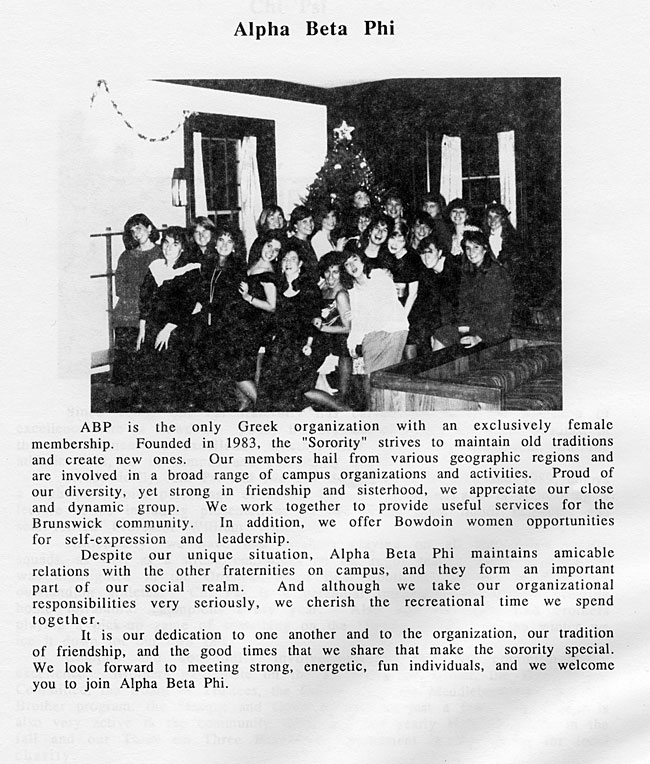
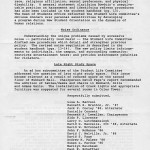
 

SS53 - Alpha Beta Phi Sorority Page
SS53 - Alpha Beta Phi Sorority Page from 1990

Filed Under: Documents, Social Life & Fraternities Tagged With: 1983, 1990, Alpha Beta Phi, Fraternity, Sorority, SS53

Memorandum on Integration of Fraternities

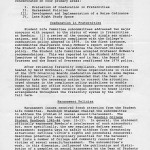
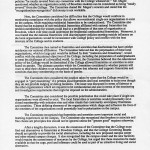
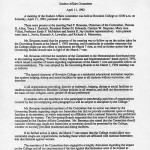
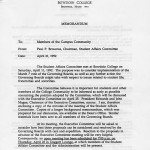
This memorandum (Document SS, 54), sent out on April 21, 1992, to members of the campus community, informed the community that the Governing Boards and the Student Affairs Committee decided to eliminate single-sex fraternities on campus.  The memorandum emphasizes that then president Robert H. Edwards, along with John Magee, then Chairman of the Executive Committee, agree with and support the Governing Board and Student Affairs Committee’s position.

The Student Affairs Committee believed single sex social institutions harmed the college.  One concern was that parents might not want to send their children to a school that supported organizations that discriminate based on gender.  Despite the important social role that greek letter societies had played on campus, the Committee felt that, because the discriminatory societies dominated the social scene, they limited the students’ freedom to make social choices.

The resolution voted upon by the Student Affairs Committee recommended that organizations that discriminated on the basis of gender should be prohibited.  It is important to note that this document was issued in 1992, twenty years after the implementation of coeducation at Bowdoin.  In another five years, in 1997, the college would eliminate fraternities altogether.

SS54.6 - Memorandum on Integration of Fraternities
SS54.6 – Memorandum on Integration of Fraternities
SS54.5 - Memorandum on Integration of Fraternities
SS54.5 – Memorandum on Integration of Fraternities
SS54.4 - Memorandum on Integration of Fraternities
SS54.4 – Memorandum on Integration of Fraternities
SS54.3 - Memorandum on Integration of Fraternities
SS54.3 – Memorandum on Integration of Fraternities
SS54.2 - Memorandum on Integration of Fraternities
SS54.2 – Memorandum on Integration of Fraternities
SS54.1 - Memorandum on Integration of Fraternities
SS54.1 – Memorandum on Integration of Fraternities

Filed Under: Documents, Social Life & Fraternities Tagged With: 1992, Fraternity, John Magee, Robert H. Edwards, SS54, Student Affairs Committee

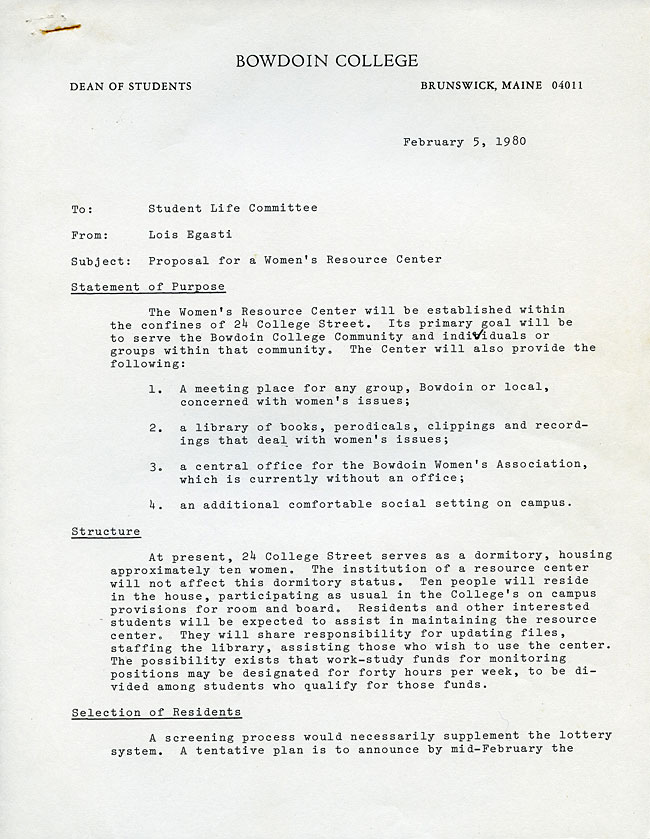
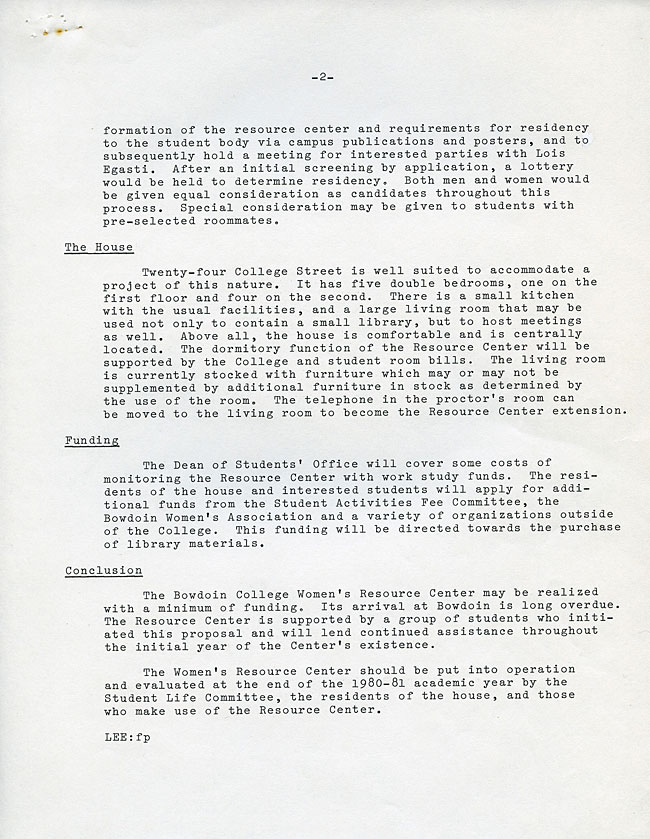
Proposal for a Women’s Resource Center

In February 1980, Lois Egasti, Bowdoin’s Dean of Students, sent this proposal to the Student Life Committee requesting that a “long overdue” Women’s Resource Center be established at 24 College St (Document CS, 61.1). At the time there were 10 women living at 24 College St. The space was to remain a dormitory in addition to a space designated for Bowdoin women. That the space was meant for Bowdoin women is evidenced by the name, Women’s Resource Center, and by the proposal’s suggested purposes for the center. The Women’s Resource Center was to be a “comfortable social setting” and serve as the official headquarters for the Bowdoin Women’s Association. The proposal held that “any groups, Bowdoin or local, concerned with women’s issues” could meet in the center.

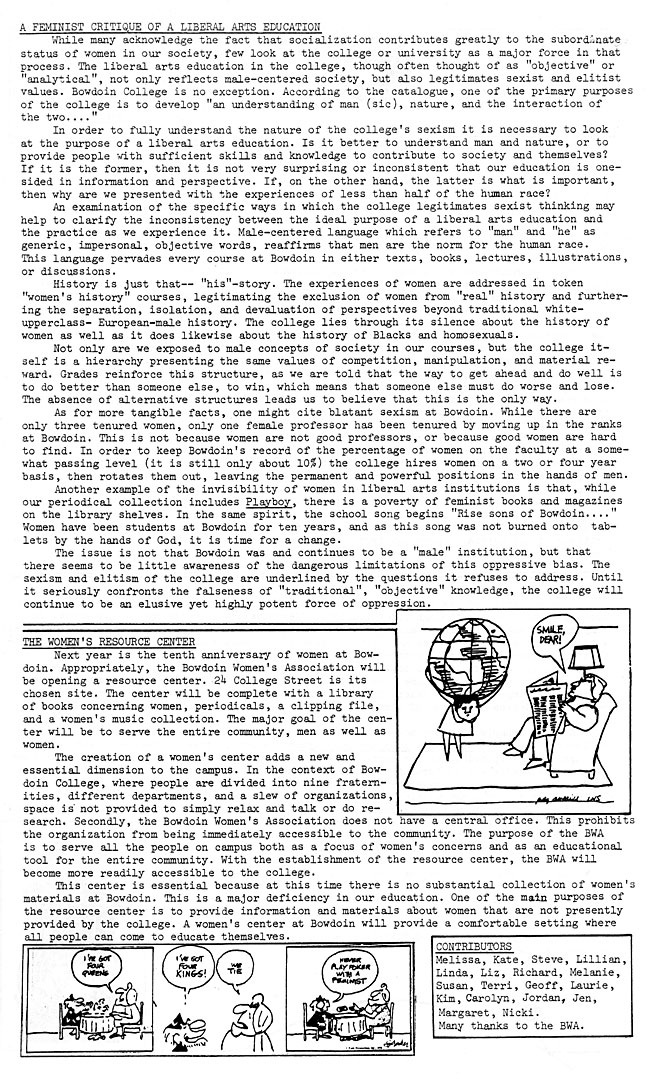
According to the feminist issue of To the Root published in March 1980, the regular library did not have any periodicals related to women but did have a subscription to Playboy. One main purposes of founding a Women’s Resource Center was to create a space for a library of material by and about women.

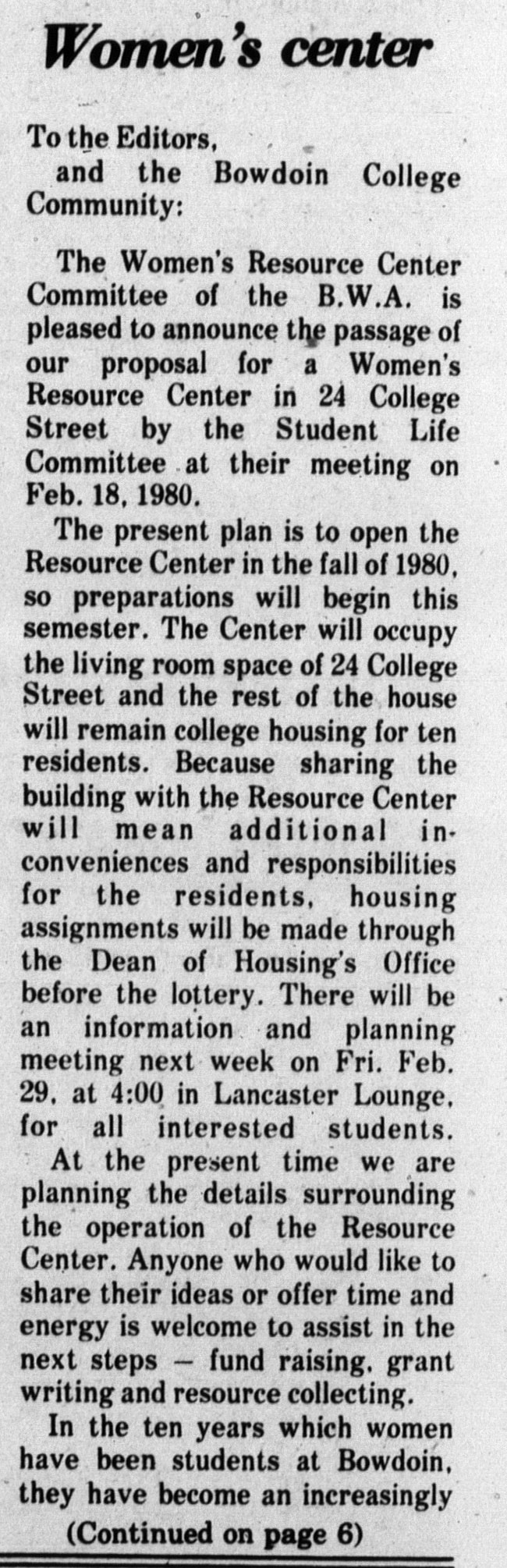
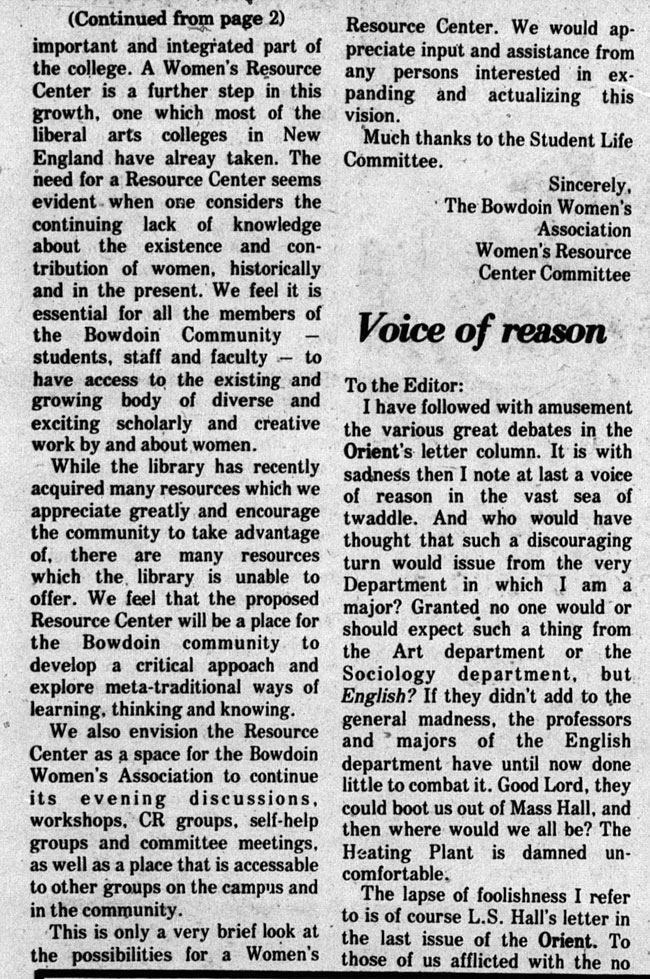
The letter to the editor of the college newspaper on February 22, 1980 announces the acceptance of the proposal and invites people to participate in the Women’s Resource Center (Document CS, 61.2). From the beginning, the members of the Women’s Resource Center Collective attempted to raise awareness and build community. The opening of the center marked an important transition for women at Bowdoin. Women’s presence on campus would be claimed and emphasized on a whole new level, in the form of a small, brown house on College St.

CS61.1 Page 1 - Proposal for Women's Resource Center
CS61.1 Page 2 - Proposal for Women's Resource Center

CS61.2 Page 1 - Orient: Women's Resource Center

CS61.2 Page 2 - Orient: Women's Resource Center

Filed Under: Documents, Women’s Resource Center Tagged With: 1980, CS61.1, CS61.2, Orient, Proposal, To the Root, Women's Resource Center

To The Root: Feminist Issue

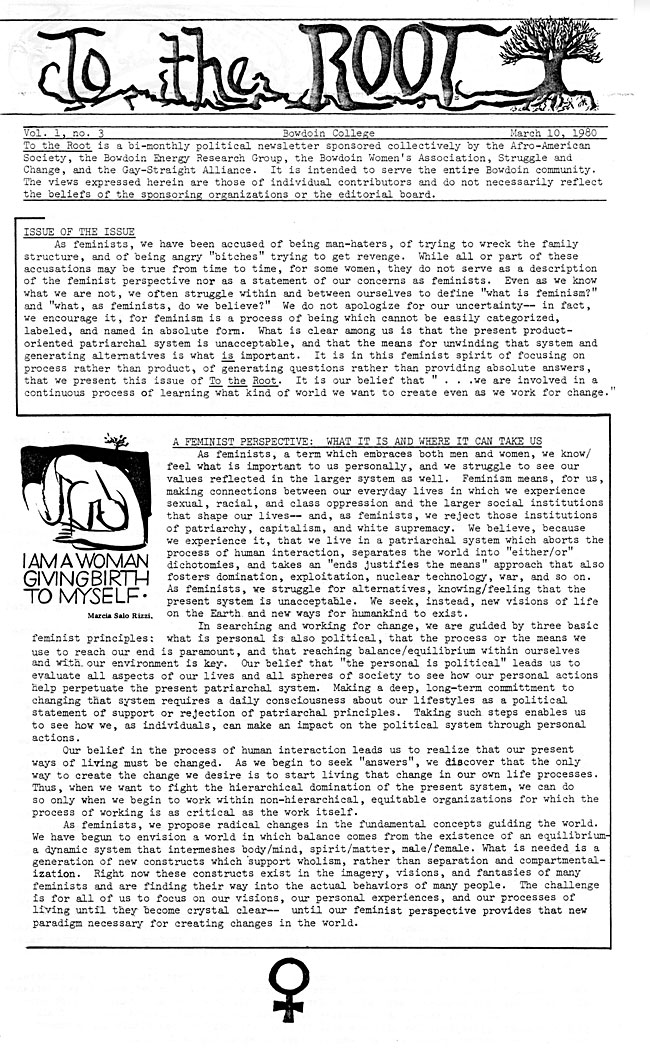
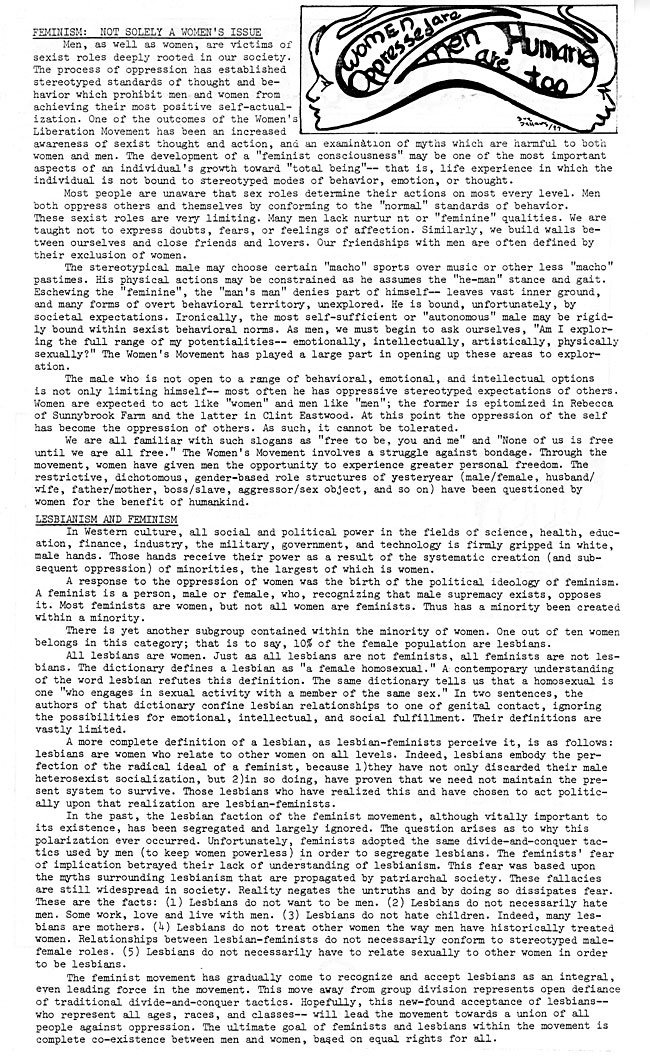
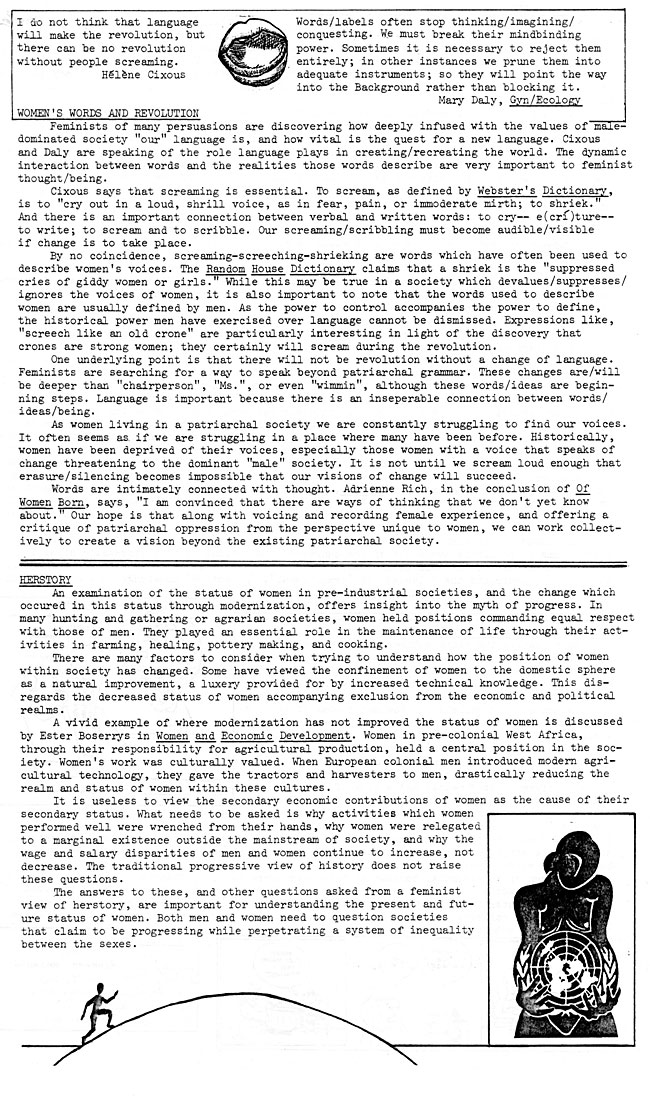
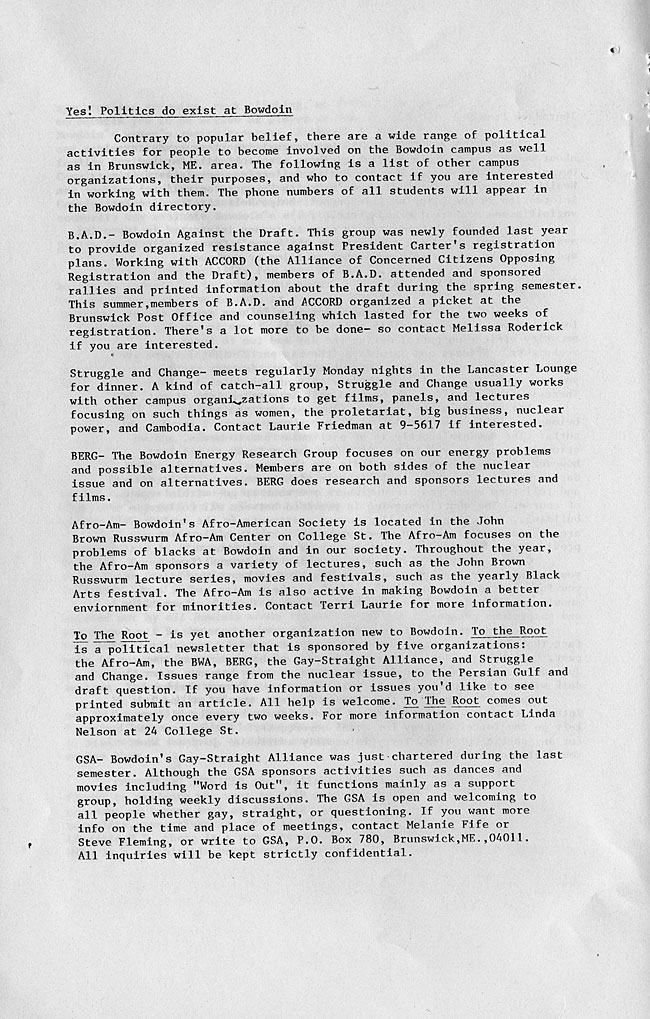
The feminist issue of To the Root, from March 10, 1980, provides evidence of the type of consciousness raising and passionate activism that was taking place on Bowdoin’s campus during the early 1980s (Document CS, 62). The Afro-American Society, the Bowdoin Energy Research Group, the Bowdoin Women’s Association, Struggle and Change, and the Gay-Straight Alliance came together to raise awareness around feminism through this issue of To the Root.

The authors challenge conceptions of feminism and lesbianism, discuss sexism and the women’s movement, explore ways to make change, ask readers to think about male-centered language, and argue for breaking down gender imbalances and inequities. One article, “A Feminist Critique of a Liberal Arts Education” criticizes Bowdoin’s use of male-centered language, its exclusion of her-story in history classes, the scarcity of feminist books and magazines in the college library, and the dearth of women in the permanent and more powerful faculty positions.

This publication includes images as well as text. All of the images, from cartoons to drawings, are of naked woman. One image is a white woman in child’s pose with the caption “I Am a Woman Giving Birth to Myself.” Another features a black woman holding the emblem of the United Nations. These images propagate the idea of reclaiming women’s bodies, self-expression, rights, and history.

To the Root introduces the Women’s Resource Center, which was slated to open the following fall as an “educational tool for the entire community.” The publication shows the determination of Bowdoin’s early feminists to work in coalition with other campus groups to raise awareness around women’s issues.

CS62 Page 1 - To The Root: Feminist Issue
CS62 Page 2 - To The Root: Feminist Issue
CS62 Page 3 - To The Root: Feminist Issue
CS62 Page 4 - To The Root: Feminist Issue

Filed Under: Documents, Women’s Resource Center Tagged With: CS62, To the Root, Women's Resource Center

Bowdoin Women’s Association Handbook

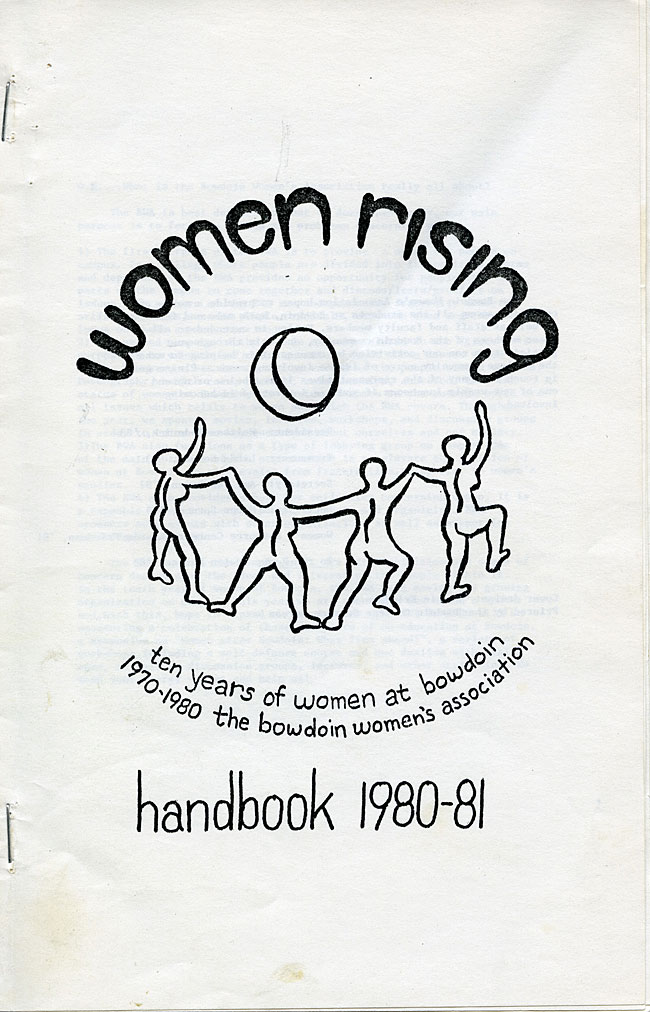
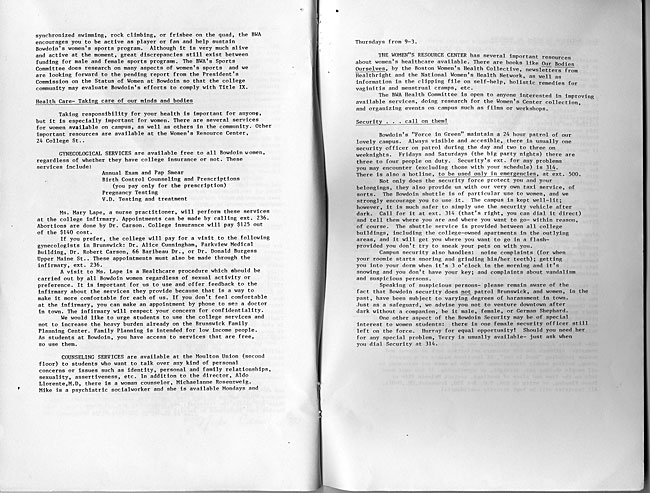
The cover of the 1980-1981 Bowdoin Women’s Association Handbook features a picture of four naked women dancing beneath a crescent moon and reads, “Women Rising: Ten Years of Women at Bowdoin.” The word “rising” likely refers to the title of the alma mater, “Rise Sons of Bowdoin” (Document CS, 63). Ever since the arrival of women, daughters of Bowdoin were “rising” alongside its sons. These women featured on the handbook’s cover dance in celebration of 10 years (9 years according to our timeline) of women at the college. By holding hands they join forces as women, supporting and empowering one another.

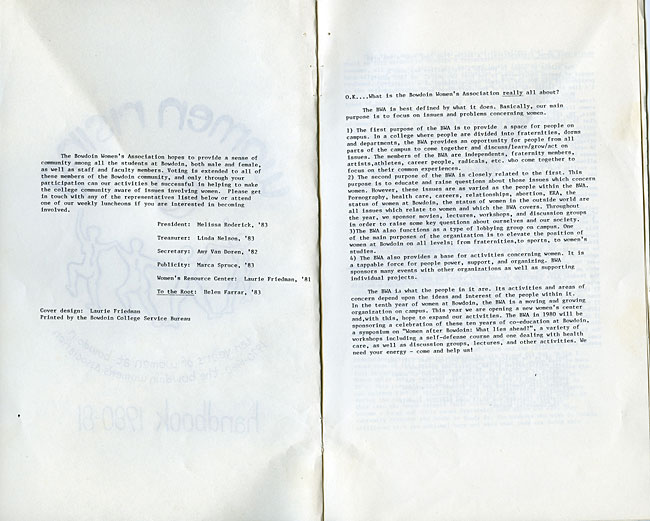
In addition to providing women with information, this handbook aims to build community around women’s issues at Bowdoin. The writers express a hope for expansion of the Bowdoin Women’s Association. During this one-year, for example, they planned a celebration of ten years of women at Bowdoin, a symposium on life for women after Bowdoin, workshops on self-defense and healthcare, discussion groups and lectures.

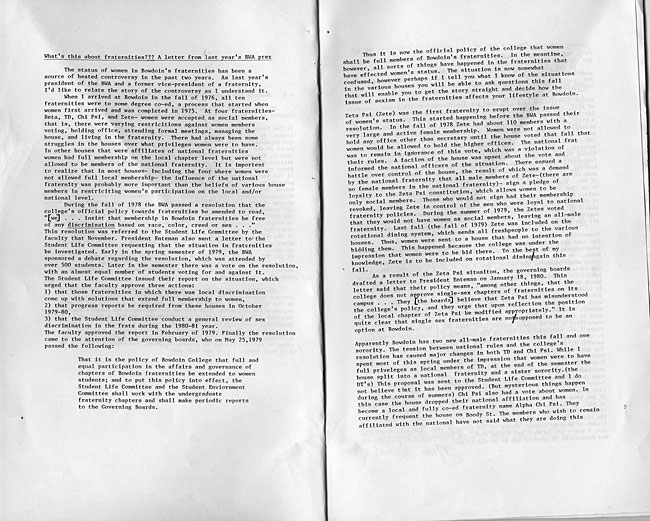
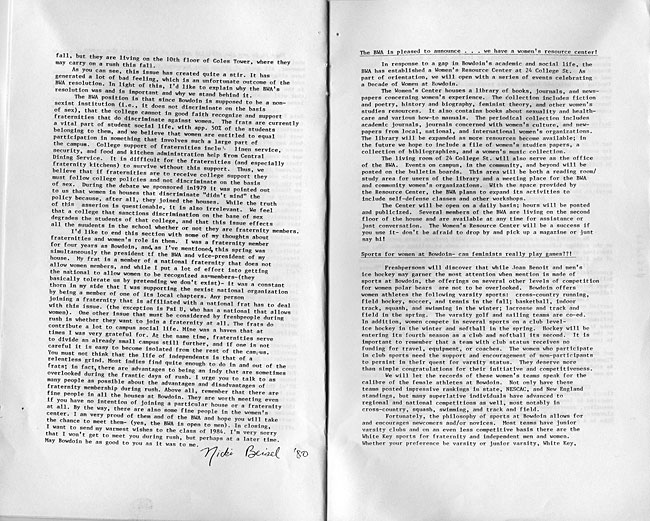
The articles in the handbook provide information on a variety of women’s issues at the college. In one, the immediate past president of the Bowdoin Women’s Association and previous vice-president of her fraternity examines the recent history of women’s status in fraternities. She raises the pros and cons of joining a fraternity and is complementary of the choice to remain “independent.” She wishes the best to the incoming class of 1984 and writes, “May Bowdoin be as good to you as it was to me.” Another article lists the numerous options for women’s sports available to students. The authors encourage athletic involvement and mention the discrepancy in funding between male and female athletic programs.  A section on healthcare urges Bowdoin women to take advantage of the free gynecological services. The two last sections provide information on security support and political groups on campus.

In a nod to the feminism alive on Bowdoin’s campus in the 1980s, the terms “freshpeople” and “freshpersons” are used throughout the publication instead of the word “freshmen.” Nowadays “freshpeople” are referred to as “first years” at the college.

The paragraph announcing the new Women’s Resource Center describes the center’s abundance of resources for the Bowdoin community. The article mentions event plans, the center’s new library, and the hope that the new headquarters of the Bowdoin Women’s Association will be a space reader’s feel comfortable visiting “for assistance or just conversation.”

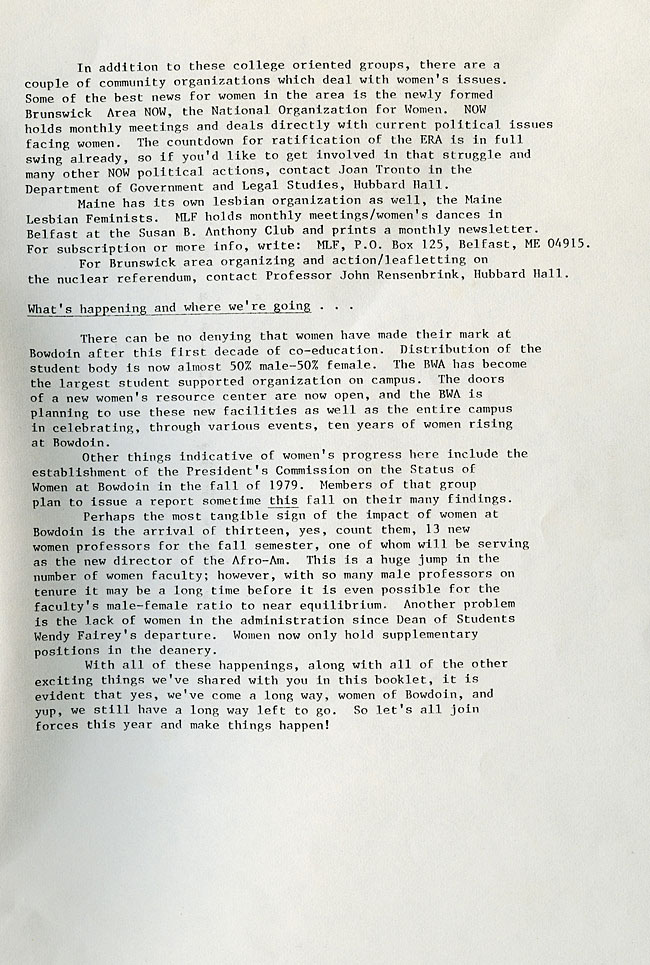
The last section of the publication discusses how women had “made their mark at Bowdoin after this first decade.” The student body was now 50/50 male/female, the Bowdoin’s Women’s Association had “become the largest student supported organization on campus,” the Women’s Resource Center was opening this fall, and the results of a report on “the Status of Women at Bowdoin” were to be published. The authors identified the most substantial sign of change as the arrival of 13 new women faculty members.

CS63 Page 1 - Bowdoin Women's Association Handbook
CS63 Page 2 - Bowdoin Women's Association Handbook
CS63 Page 3 - Bowdoin Women's Association Handbook
CS63 Page 4 - Bowdoin Women's Association Handbook
CS63 Page 5 - Bowdoin Women's Association Handbook
CS63 Page 6 - Bowdoin Women's Association Handbook
CS63 Page 7 - Bowdoin Women's Association Handbook

Filed Under: Documents, Women’s Resource Center Tagged With: 1980, 1981, Bowdoin Women's Association, BWA, CS63, first years, Freshmen, freshpeople, freshpersons, Handbook

  • « Previous Page
  • 1
  • 2
  • 3
  • 4
  • 5
  • …
  • 17
  • Next Page »

Categories

  • Athletics (9)
    • Documents (6)
    • Focus Group (1)
    • Oral History Interview (2)
  • Curriculum (8)
    • Documents (6)
    • Focus Group (1)
    • Oral History Interview (1)
  • Extracurriculars (10)
    • Documents (6)
    • Oral History Interview (3)
  • Prehistory (20)
    • Documents (18)
    • Oral History Interview (2)
  • Process (22)
    • Documents (12)
    • Focus Group (3)
    • Oral History Interview (7)
  • Social Life & Fraternities (20)
    • Documents (12)
    • Focus Group (3)
    • Oral History Interview (5)
  • Women’s Resource Center (8)
    • Documents (6)
    • Focus Group (1)
    • Oral History Interview (1)
  • Sources
  • Acknowledgments

Copyright © 2026 · research.bowdoin.edu · Powered by WordPress